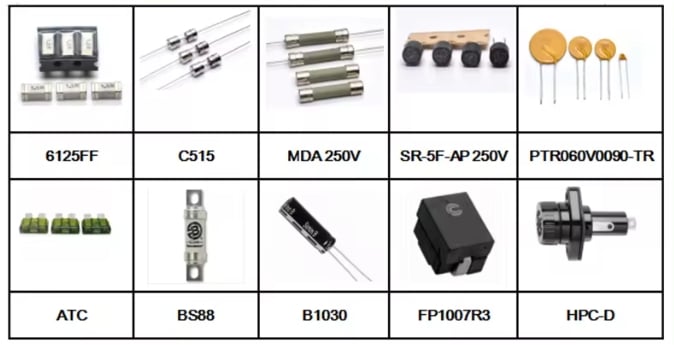
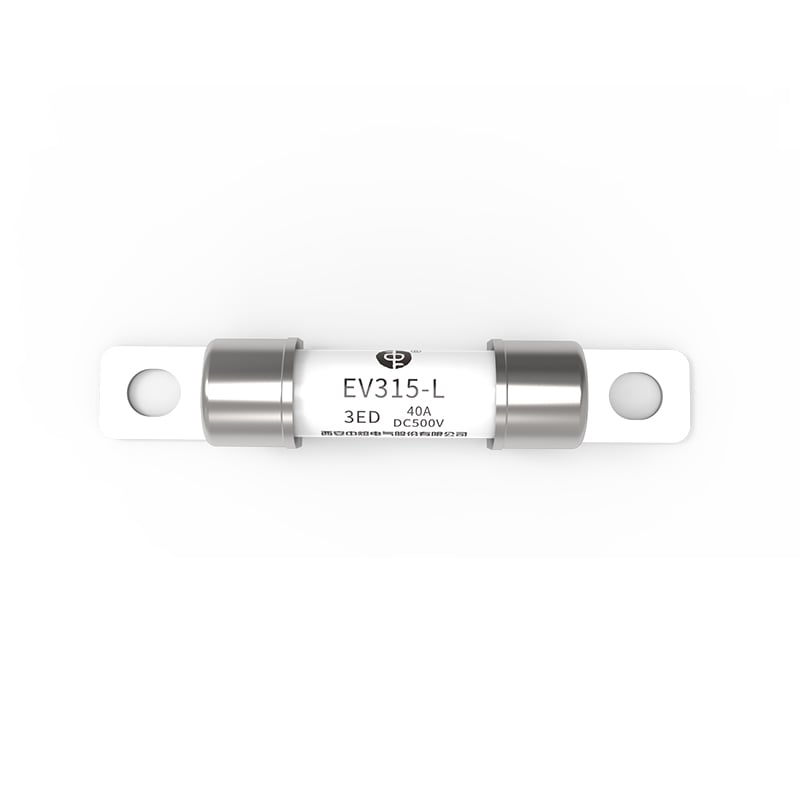
Ceramic fuses represent a different kind of electrical fuse compared to the standard glass ones we see everywhere else. What sets them apart is the actual material used construction wise these little guys are built with ceramics that just don't break down as easily. Most ceramic fuses contain materials capable of handling extreme heat without melting away since ceramics naturally have much higher melting points than glass does. And when it comes to durability? These ceramic versions simply last longer under tough conditions. Because of this unique makeup, ceramic fuses tend to perform better in situations where regular glass fuses would fail completely. That's why many industrial settings rely on ceramic fuses for critical systems where reliability matters most.
Key features of ceramic fuses include an impressive high melting point, superior durability, and excellent electrical insulation properties. These characteristics make them ideal for applications where reliability and performance in extreme conditions are critical. The ceramic material offers a stable and consistent performance even when exposed to high-temperature environments.
When dealing with high temperature scenarios, ceramic fuses play a vital role because they stop circuits from getting too hot and suffering damage. What makes these components so effective is their special composition which keeps electrical systems working properly even when temps spike dramatically. Think about places like steel mills or spacecraft manufacturing facilities where regular components just can't cut it. Ceramic fuses essentially serve as protective shields for entire circuits, ensuring everything stays intact and operational in conditions that would melt down most alternative materials within minutes.
Ceramic fuses tend to be the go-to choice when dealing with really hot environments because they just work better in those situations. These little devices last longer than most alternatives, can handle higher currents without blowing out, and keep performing reliably even when temperatures swing around unexpectedly. The manufacturing industry especially relies on them for processes that generate intense heat, like metal casting or furnace operations where standard fuses would simply melt away. What makes ceramic fuses stand out is how they hold together physically despite all the thermal stress. This means industrial equipment stays protected from electrical surges even during those unpredictable moments when things get too hot for ordinary components to handle.
Ceramic fuses really stand out when things get hot. Tests show they hold up much better than other materials under tough conditions. Take temperature swings for instance ceramic fuses keep working properly even after repeated exposure to extreme heat fluctuations something that breaks down many competing products over time. Because of this dependable performance, manufacturers rely on them heavily in places such as factory furnaces and heating systems. These components protect electrical systems from getting damaged during those intense thermal events that would otherwise wreak havoc on regular equipment.
Ceramic fuses play a vital role in industrial settings where circuits need dependable protection against overloads. Take manufacturing plants for instance, where motors and generators run hot all day long and require circuit breakers that won't fail when temperatures rise. The kind of reliability these systems need helps avoid production halts and expensive equipment repairs down the line. What makes ceramic fuses stand out is their ability to handle heavy currents without melting down, plus they resist those dangerous short circuits that can bring operations to a screeching halt. While not perfect for every situation, their performance characteristics make them a go to choice for many engineers working on tough industrial projects.
When it comes to consumer electronics, ceramic fuses play a vital role in appliances that run hot during normal operation, think microwaves, electric ovens, and other kitchen gadgets. Without these little components, there's a real risk of circuit breaker problems happening, which can damage the appliance itself and pose serious risks to anyone using it. What sets ceramic fuses apart is their ability to keep performing reliably even when temperatures fluctuate throughout the day. That reliability factor is why so many manufacturers specify ceramic fuses in their designs, knowing they'll help extend product life while keeping users safe from electrical mishaps.
Ceramic fuses are pretty important in cars nowadays, especially when it comes to protecting all those delicate electronic parts inside modern vehicles. These little devices keep things like circuit boards from getting fried, so stuff like GPS navigation, air conditioning units, and the whole engine management system can keep working properly even when the going gets rough on the road. Without them, there would be a real risk of electrical overload damaging expensive components. That's why car manufacturers include these fuses right from the start during vehicle production. They're not just an afterthought but actually built into how cars are designed and put together today.
When choosing ceramic fuses for any application, there are a few important things to keep in mind. First off, we need to look at three main specs: voltage rating, current rating, and what's called breaking capacity. The voltage rating basically tells us if the fuse can take on the highest voltage levels in our circuit without failing completely. Current rating is straightforward too it shows how much electricity can pass through before the fuse actually melts away, which protects whatever equipment we're trying to safeguard. And then there's this thing called breaking capacity or sometimes interrupting rating. This one matters most during those unexpected power surges. It lets us know just how strong a sudden burst of current the fuse can stop dead in its tracks without blowing apart or damaging anything else connected to the system.
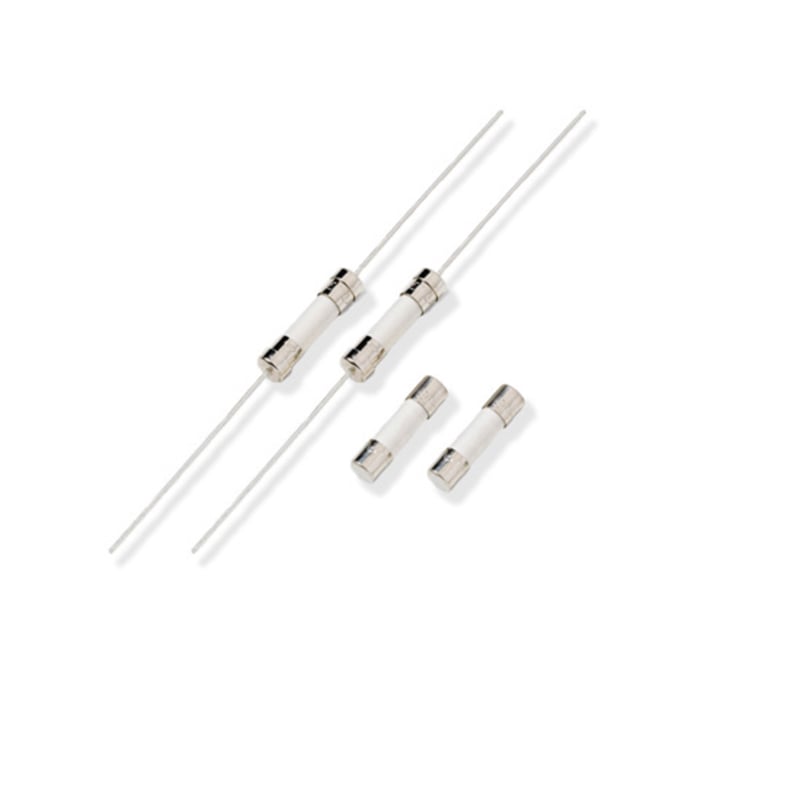
Knowing about the various kinds of ceramic fuses and where they work best really matters in practical situations. There are mainly two common ones out there: multi layer ceramic chip fuses and those wire in air models. The ceramic chips tend to get chosen when someone needs something that can handle big currents but still fit into tight spaces because they're built tough and can operate across a wide temperature range. Wire in air fuses have been around for ages and used in lots of places too, though folks sometimes run into problems with parts coming loose at the ends or inconsistent performance from batch to batch. But things have gotten better lately with new tech developments like sealed versions of wire in air designs that fix many of these old headaches. Depending on what exactly needs protection, either automotive circuits or gadgets that generate heat, each fuse type brings its own set of benefits to the table.
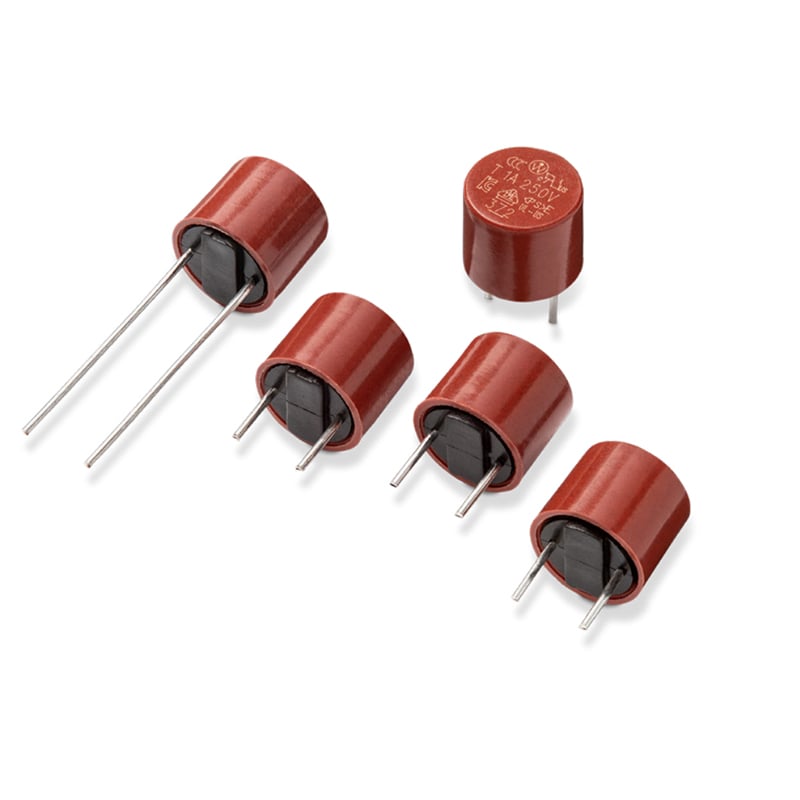
The 372 Series 250V Time Lag fuses from Littelfuse stand out because they pack a lot of power into a small package while still handling big loads when needed. Engineers often turn to these subminiature fuses for things like charging stations, gadgets we use every day, and various power supply systems around the house or office. Meeting the IEC 60127-3 standard means these little guys have been built right from the start with no lead components inside, plus they resist shocks pretty well thanks to their protective casing. What really helps in the field though is that manufacturers offer two options here one where you can solder it directly onto boards and another version that just plugs right in. This flexibility saves time during assembly depending on what kind of setup someone needs to work with.
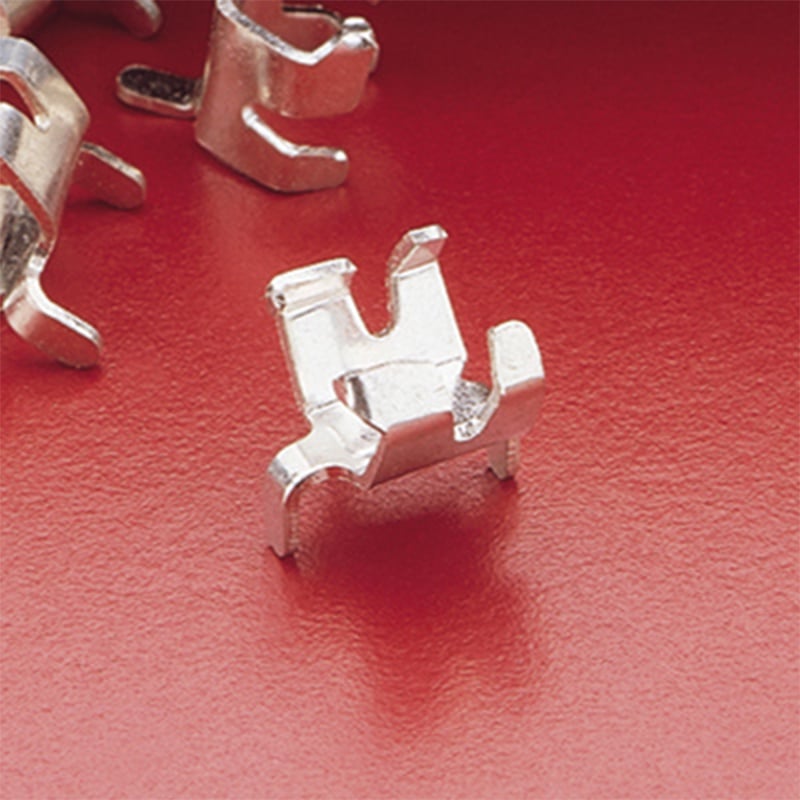
The Littelfuse 01000054Z fuse clip from the 100 Series works great with those 5x20mm diameter fuses and offers solid board mounting capabilities. Made primarily of copper, this component delivers good electrical conductivity while standing up to regular wear and tear pretty well. The packaging comes in standard boxes which makes things easier when stocking multiple Littelfuse fuse types together. Technicians often reach for this particular model when working on printed circuit boards because it just fits right into most setups without causing headaches during installation or maintenance tasks.
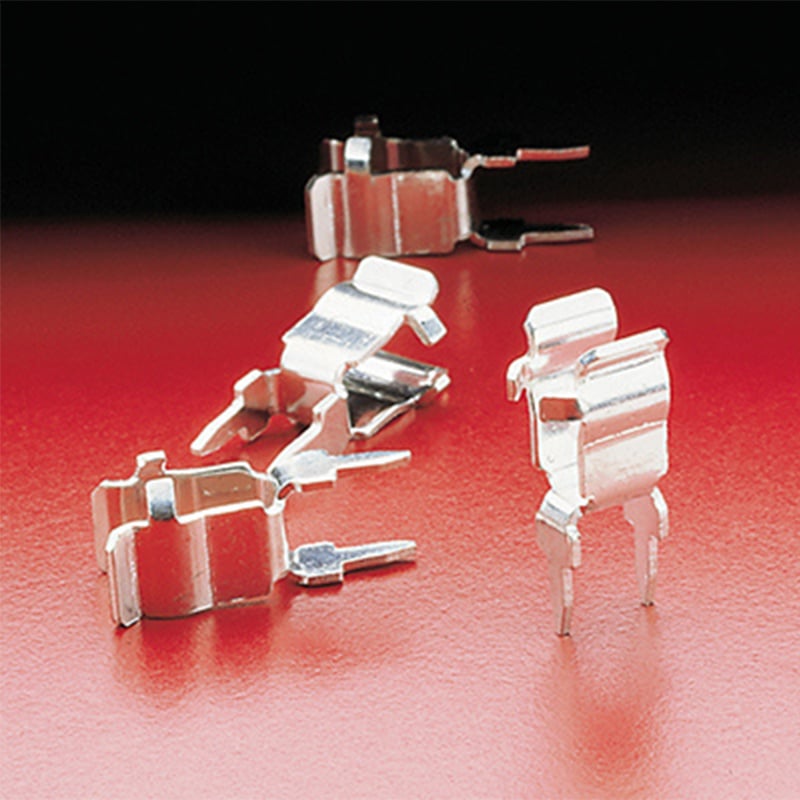
The Littelfuse 01220090Z fuse clips in both 102 and 122 series work great with those 6.3mm diameter fuses. They have this slim profile that fits right into tight spaces where electronics need to be compact. Built from solid copper, these clips actually fit 1/4 inch diameter fuses too, which means they create reliable connections across different kinds of equipment. What really stands out is how they make replacing fuses so much easier during regular maintenance or when fixing things on site. Technicians appreciate not having to struggle with awkward designs when time is money.
Spotting a bad ceramic fuse usually means looking closely and doing some basic tests. Start with the obvious stuff first - check if the filament inside looks broken or if the glass casing shows any discoloration from heat damage. Got a multimeter lying around? That's probably the best way to tell for sure. Set it to continuity mode and touch those terminals. If it shows something like infinite resistance on the display, then yeah, the fuse is definitely out. Most people forget how important regular checks actually are. A simple monthly glance at these components can save headaches later when circuits start acting up unexpectedly.
When replacing a ceramic fuse, there are some important safety steps to follow. Make sure all power sources are switched off completely before starting work to avoid getting shocked. Grab some tools with good insulation on their handles and put on proper protection like thick gloves and safety glasses. Find where the bad fuse is located first. Take care when removing it so nothing gets damaged during the process. The new fuse needs to match exactly what was there before both in voltage and amperage ratings. Getting this right matters a lot because installing something wrong could cause bigger problems down the road. Always double check those specs at the hardware store before buying replacements just to be safe.
When it comes to electrical safety, ceramic fuses and circuit breakers play essential roles but work quite differently from one another. Ceramic fuses have to be thrown away and replaced once they blow, while circuit breakers simply trip and then get reset when needed. Because of this feature, circuit breakers tend to work better in places where loads change often or where getting power back up quickly matters most. Ceramic fuses though? They're pretty simple devices without any moving bits inside. Just sit there doing their job until something goes wrong, at which point they cut off the current flow automatically without needing anyone to fix them manually.
Looking at what makes ceramic fuses better than most other circuit protection options reveals some pretty important differences. Ceramic fuses react much quicker when there's an overcurrent situation, which means they cut off power before it can harm connected equipment. That speed matters a lot for delicate electronics where even short surges might cause problems down the road. Another big plus is how well ceramic fuses handle heat. They don't break down easily under temperature changes, something regular fuses struggle with. Industrial facilities often deal with extreme temperatures or unstable power supplies, so this heat tolerance becomes really valuable. Plus, these fuses tend to last longer too. After working with different types in real installations, the combination of fast response time, heat resistance, and overall longevity makes ceramic fuses a smart choice for many electrical systems across industries.
2024 © Shanghai King-Tech Electronic Co., Ltd. Privacy policy
 EN
EN
 Hot News