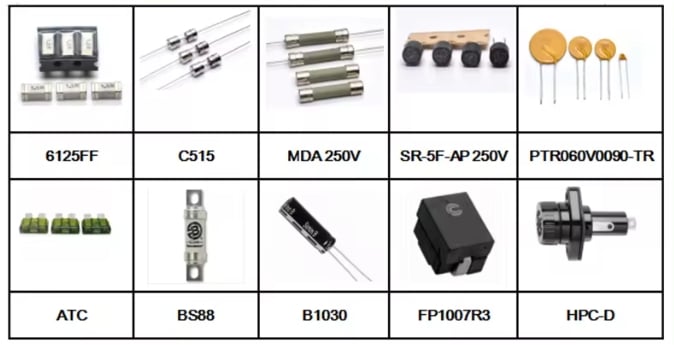
Supercapacitors go by different names too like ultracapacitors or those EDLC things. What sets these apart is how they blend features from regular capacitors and batteries into one package. These devices store and release energy fast without needing chemical reactions, giving them much better energy density than standard capacitors. That speed makes them great for situations where quick bursts of power matter most. When it comes to energy storage options, supercapacitor modules stand out for several reasons. They pack quite a punch in terms of energy density while charging and discharging at lightning speeds. Take electric vehicles for instance, they need this kind of responsiveness. Traditional batteries tend to break down after repeated use because of all those chemical reactions happening inside. Supercapacitors don't suffer from this problem though. Their lifespan lasts way longer, so they keep working reliably even after thousands of charge cycles. With ongoing improvements in technology pushing their energy capacity limits, we're seeing more industries adopt supercapacitors as serious contenders in the energy storage market right now.
Industrial operations rely heavily on supercapacitor modules because they deliver dependable power to all sorts of heavy machinery and equipment. When there are power fluctuations that could disrupt production, these modules kick in fast with their quick energy discharge features. This means less downtime overall and better productivity for manufacturers. What sets supercapacitors apart is how well they cope with the intense demands of big industrial setups thanks to solid power management characteristics. That's why many factories consider them pretty much essential for keeping things running smoothly without unexpected hiccups. We're seeing growing adoption in renewable energy systems too. They work great at balancing out the ups and downs of energy coming from solar panels or wind turbines which tend to be inconsistent. By capturing and releasing energy efficiently, supercapacitors actually help stabilize electrical grids while improving how well renewable storage systems perform. For anyone looking at sustainability goals, this kind of reliable performance delivers consistent power supply and makes integrating green energy sources into existing grids much easier. Speaking of other sectors, telecom companies have discovered supercapacitors make excellent backup power solutions. During power outages, these modules provide those sudden bursts of energy needed to keep cell towers and network equipment online. No wonder telecom providers stock up on them for emergency situations or times when demand spikes unexpectedly. And let's not forget about their impressive lifespan either. Most supercapacitors last far longer than traditional alternatives, which explains why so many industries continue investing in them year after year.
Supercapacitors, sometimes called electrical double-layer capacitors or EDLCs for short, work differently from regular capacitors. Instead of using chemical reactions to store power, they do it through electrostatic processes. Traditional capacitors usually have something called a dielectric material sandwiched between their electrodes. Supercapacitors skip this part and instead form what's known as an electric double layer right on the electrode surfaces. What makes these devices special is their ability to pack in much higher energy density compared to standard aluminum electrolytic capacitors we commonly see today. When it comes to charging and discharging electricity, supercapacitors beat out traditional batteries in terms of efficiency. Regular batteries depend on chemical reactions inside them which tend to break down after repeated use. But supercaps just move ions back and forth through physical processes like adsorption and desorption. This means they charge and discharge faster too, plus last longer before needing replacement. Energy transfer efficiency generally tops what we get from conventional battery tech, so supercapacitors become really attractive whenever there's a need for quick bursts of stored energy. And let's not forget how many times they can be charged and discharged without losing much capacity at all, something most batteries simply cannot match.
Picking out the right supercapacitor modules means looking at both voltage and capacity requirements to fit what the application needs. Most systems start with checking voltage specs since individual supercapacitor cells usually run between 0.9V and 3.3V. When applications call for higher voltages, stacking cells together in series becomes necessary. For capacitance requirements, think about how much energy storage is needed. Connecting modules side by side in parallel increases total capacitance and meets those energy demands. Getting this right ensures better performance over time. Temperature tolerance matters too when selecting supercapacitor modules. These components generally handle a broader temperature spectrum compared to regular batteries, making them reliable across different conditions. However, very hot or cold environments can affect how well they work and shorten their life span. Always check what kind of temperatures the modules will face during operation and pick ones specifically built for those conditions to maximize durability and keep things running smoothly.
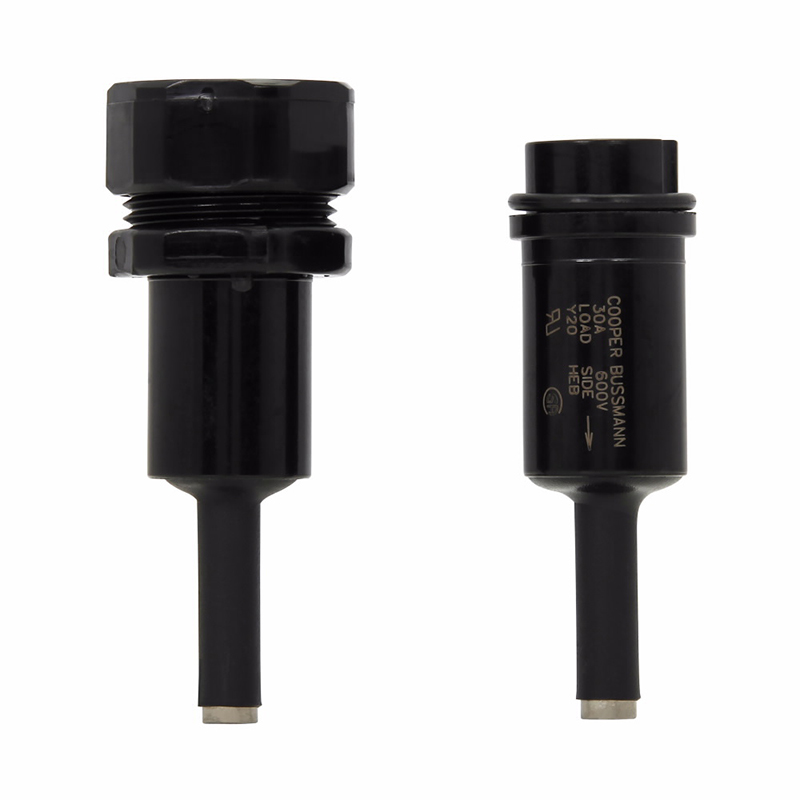
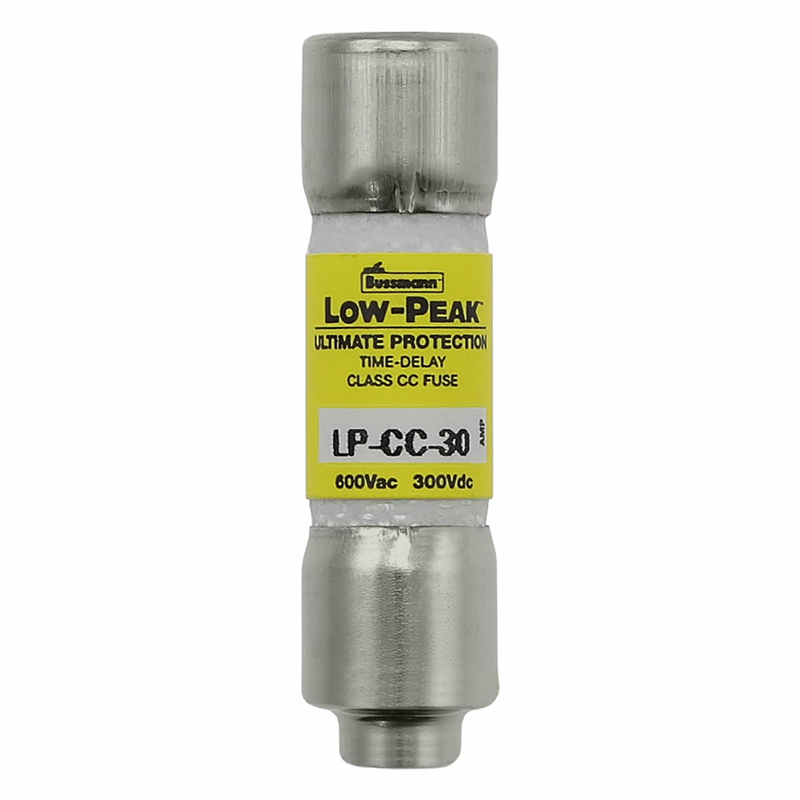
The 30A 600V BK-HEB-AA Bussmann Fuse Holder provides solid protection for supercapacitor modules thanks to its tough construction that can handle harsh conditions. The holder works with several types of supplemental fuses, giving engineers options depending on what their particular setup requires. It fits standard UL size fuses measuring 13/32 inch by 1-1/2 inches (about 10x38mm). Comes in two styles too one that breaks away when needed and another that stays intact. Industry professionals trust this fuse holder because it meets important safety standards from UL, CSA, and CE. Engineers often specify these holders for industrial applications where electrical systems need reliable protection against overloads and short circuits without frequent maintenance headaches.
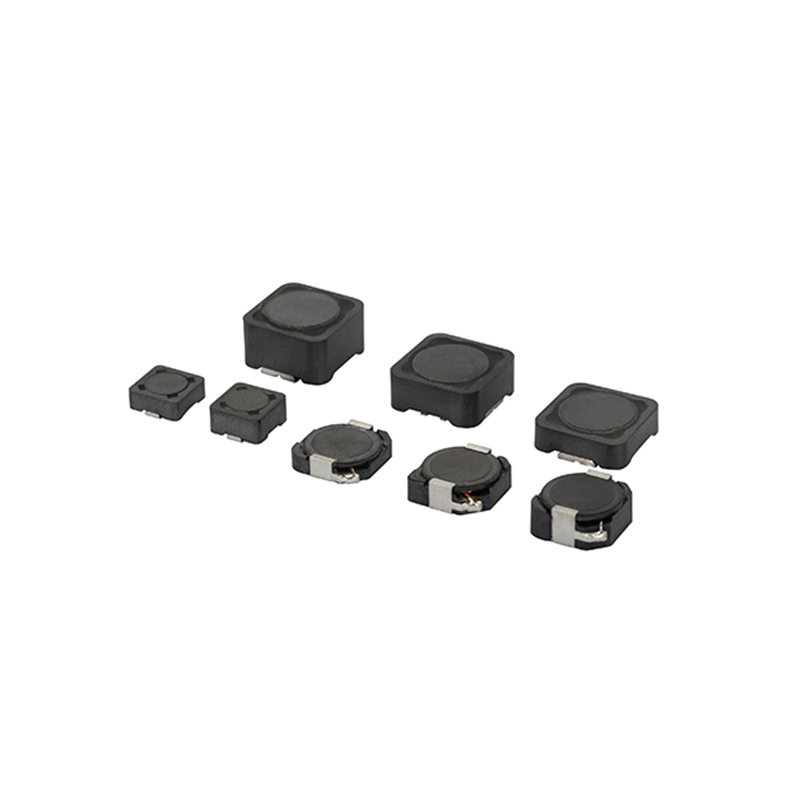
The DR Series Shielded Drum Core Power Inductor covers an inductance range between 0.33 microhenries all the way up to 1000 microhenries, and can handle peak currents as high as 56 amps. This makes these components ideal for use in things like desktop computer power supplies, DVD player circuitry, and various types of DC to DC converter applications. Built around a ferrite core material and featuring magnetic shielding, these inductors deliver reliable performance while taking up minimal space on circuit boards. The design really focuses on cutting down electromagnetic interference and saving power consumption, which matters a lot when circuits need to operate consistently across different environmental conditions.
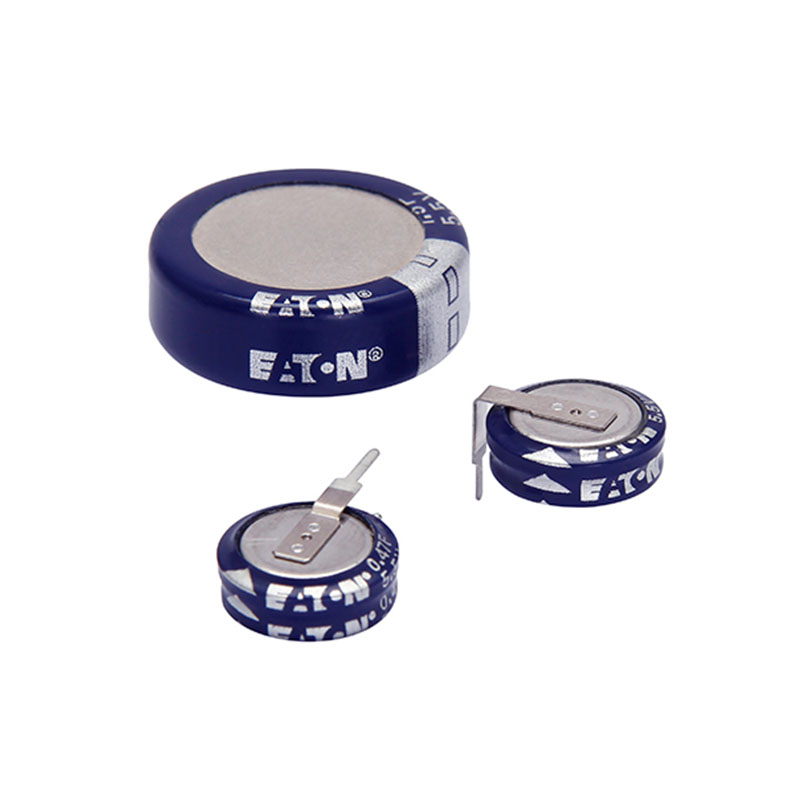
The KR Series 5.5V 0.1F to 1.5F Coin Cell Ultracapacitors made by Eaton come in a small package that's actually pretty good for the environment too. They work great in all sorts of places where we need some extra juice when things go dark. Think about those little clocks that keep ticking even during power outages, water meters around town, or network gear that just won't quit. These capacitors handle both hot and cold conditions without breaking a sweat. What really stands out is how long they last through charge cycles while keeping that pesky leakage current at bay something manufacturers love since it matches up nicely with today's green initiatives. Industrial folks and gadget makers alike find these components handy across their operations because they just plain work reliably day after day.
Supercapacitor modules last way longer and are much tougher than regular batteries. Research shows these super capacitors can handle around a million charge and discharge cycles. Most standard batteries barely make it through 500 to maybe 1,500 cycles before needing replacement. Why? Well, supercapacitors work differently. They store electricity through static charge instead of those chemical processes that slowly break down battery components over time. Beyond just lasting longer, there's another big plus. Supercaps are better for the environment too. They create less waste overall and can be recycled more easily since they don't have dangerous stuff like lead acid or cadmium that many batteries contain. With governments cracking down on pollution rules and companies pushing harder for green solutions, this combination of being both durable and environmentally friendly gives supercapacitors a real edge against conventional battery options in the market today.
The field of supercapacitors is changing fast these days. We're seeing real improvements in how much energy they can store and how well they work alongside solar panels and wind turbines. What makes these little power packs so interesting? Well, they last way longer than regular batteries, charge up in seconds rather than hours, and don't leave behind toxic waste when disposed of. For companies looking at long term storage options, supercapacitors are becoming harder to ignore. Some experts predict we'll see them everywhere from electric cars to grid scale storage within the next decade. The environmental benefits alone could revolutionize our approach to clean energy systems.
Supercapacitors, also called ultracapacitors, store and release energy quickly without chemical reactions, offering higher energy densities than traditional capacitors.
Supercapacitor modules provide rapid energy discharge and help maintain continuous operation during power fluctuations, making them ideal for heavy machinery and equipment.
Yes, supercapacitor modules optimize energy storage and release in renewable systems, stabilizing the grid and enhancing renewable energy efficiency.
Supercapacitors have a lower environmental impact and higher recyclability, as they lack harmful chemicals like lead-acid or cadmium found in some batteries.
2024 © Shanghai King-Tech Electronic Co., Ltd. Privacy policy
 EN
EN
 Hot News