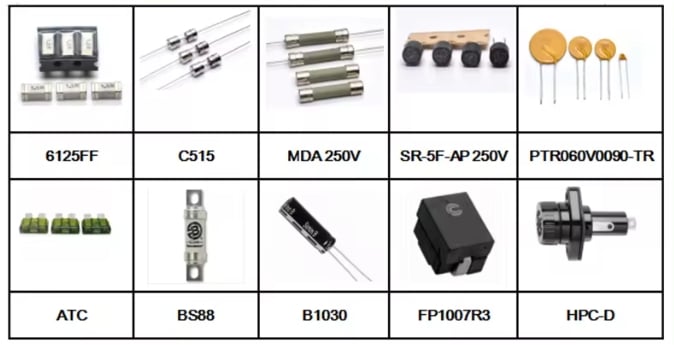
High voltage supercapacitors, sometimes called ultracapacitors, work as energy storage solutions that can hold way more capacitance than regular capacitors do. While standard batteries rely on chemical reactions inside them to store power, these supercapacitors actually keep energy using static charges built up on metal plates. Because of this difference, they can charge and discharge much faster than batteries can, which makes them great for things like electric vehicles or renewable energy systems where quick bursts of power are needed often. Looking at how they're built, most have two main parts: electrodes separated by something called a dielectric material, all sitting in a special liquid called an electrolyte. Most of the actual energy storage happens right at the point where the electrode meets this electrolyte solution, forming what scientists call an electrochemical double layer. This unique structure gives supercapacitors their impressive performance characteristics.
High voltage supercapacitors have become really important in today's energy landscape. These devices sit somewhere between regular batteries and ordinary capacitors, filling a niche that neither can fully cover on their own. Batteries are great for supplying consistent power over time, but when it comes to sudden energy demands, supercapacitors shine. That's why we see them in things like electric vehicle regenerative braking systems and backup power solutions for critical infrastructure. What makes these components stand out is how many times they can charge and discharge without wearing out, plus they work well even in extreme temperatures from freezing cold to scorching heat. For this reason, engineers keep finding new ways to incorporate high voltage supercapacitors wherever systems need both reliable performance and adaptability to changing conditions.
High voltage supercapacitor modules have significantly better energy density than regular capacitors and batteries, making them stand out in the market. These devices can store energy at rates ranging between 1Wh/kg and 30Wh/kg, which is actually thousands of times greater than what standard capacitors manage. What makes this technology interesting is that it sits right between capacitors and batteries in performance characteristics. Many industries are starting to adopt supercapacitors for their systems because they offer reliable power storage while still maintaining fast charge/discharge capabilities needed for certain industrial applications where conventional options fall short.
Supercapacitors really shine in situations where things change fast. These devices can go from empty to full charge in anywhere between 1 and 10 seconds flat, which means they're ready when sudden bursts of power are required. Take the recent test run on the Long Island Rail Road as an example. The trains need immediate power spikes when speeding up to avoid those annoying dips in voltage that happen otherwise. Automotive engineers have taken notice too. In electric cars and hybrids, supercaps help out big time with regenerative braking systems. When drivers hit the brakes, these components store energy quickly and then release massive amounts of current right back into the system as soon as the accelerator gets pressed again.
High voltage supercapacitors bring something special to the table when it comes to energy systems that need quick bursts of power while still storing energy efficiently, especially when stacked against regular batteries. What makes these devices stand out is how fast they can charge up and let go of electricity again. This speed is why we see them working behind the scenes in things like grid stabilization projects where sudden changes happen all the time. They also play a big part in making electric vehicles work better too. Think about hybrid buses that need to stop and start repeatedly throughout the day – those supercapacitors help manage the energy flow without draining everything at once. The ability to handle rapid charging cycles means less wear and tear on the system overall.
High voltage supercapacitors are now playing a key role in making renewable energy systems work better, especially for solar panels and wind turbines. What makes them so useful is their ability to charge and discharge energy really fast, something traditional batteries just cant match. Take a windy day for example when a wind farm produces way more electricity than needed. Supercapacitors can grab that extra power almost instantly and hold onto it until there's a calm period later on. This helps keep the whole power grid running smoothly without all those annoying fluctuations we often see with renewables. Some studies point to around a 20 percent boost in how much usable energy gets captured when these devices are added into the mix.
High voltage supercapacitors have become increasingly important for both electric cars and public transportation systems. These devices excel at capturing energy during those moments when vehicles brake and then quickly releasing it back when needed for acceleration. The result? Better overall efficiency for the vehicle while putting less strain on regular batteries, which means those batteries last longer before needing replacement. We're starting to see them put to work in bigger applications too. Take the Long Island Rail Road in New York as an example. There, engineers are experimenting with supercapacitors to handle all those sudden changes in energy demand whenever trains speed up or slow down. What this does is create a much smoother ride experience while cutting down on wasted energy across the entire system.
High voltage supercaps stand out because they last really long without losing much performance. Research indicates some models can handle around a million charge/discharge cycles before showing signs of wear. That's way beyond what regular batteries manage, which usually start to degrade after just hundreds of cycles at best. The extended life means companies don't need to replace them as often, saving money on parts and maintenance while keeping operations running smoothly without unexpected shutdowns for battery changes across different industries.
High voltage supercapacitors offer some serious environmental advantages worth mentioning. They last much longer than most other energy storage options, which means fewer replacements over time. Less frequent swapping out translates to reduced electronic waste piling up in landfills. The fact that these components don't need replacing so often makes them great for cutting down on environmental harm while supporting greener manufacturing practices. We're seeing more industries push for clean energy alternatives right now, and supercapacitors fit right into this trend. Plus, they work well across different temperature ranges without breaking down, making them particularly attractive for green tech applications where reliability matters most.
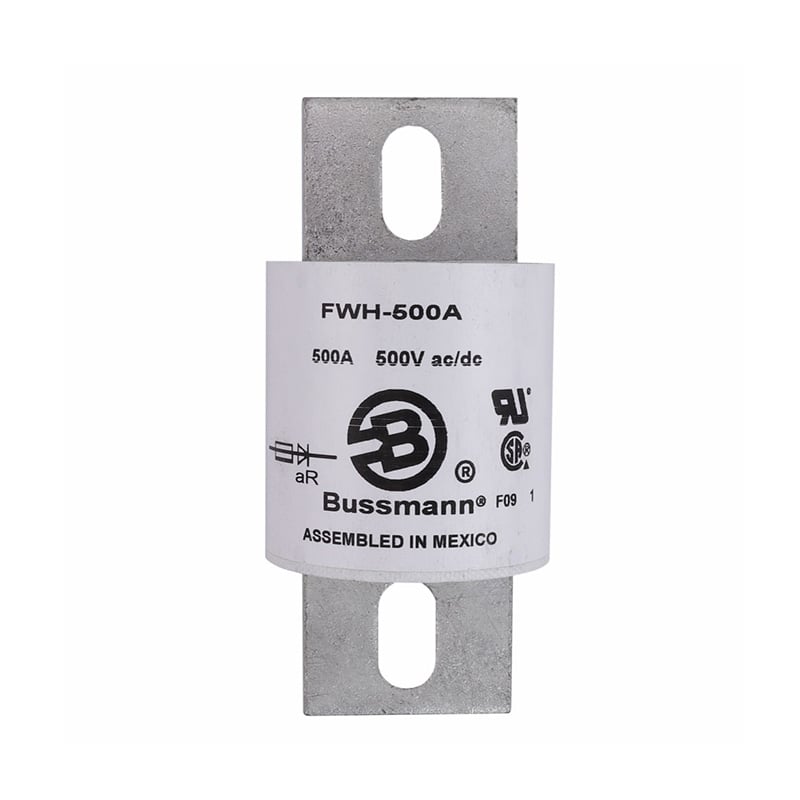
The FWH-500A from Bussmann's North American Series is built for those fast-paced electrical systems where time matters. This fuse features a non-indicating blade end design that works well at both 500 volts AC and DC while handling up to 500 amps RMS. What really stands out though are its impressive safety margins. At 1000 volts AC it can interrupt currents up to 200 thousand amps, and even at 500 volts DC it manages 50 thousand amps. These specs make the FWH-500A particularly reliable when installed in industrial environments or other situations where power surges might occur unexpectedly.
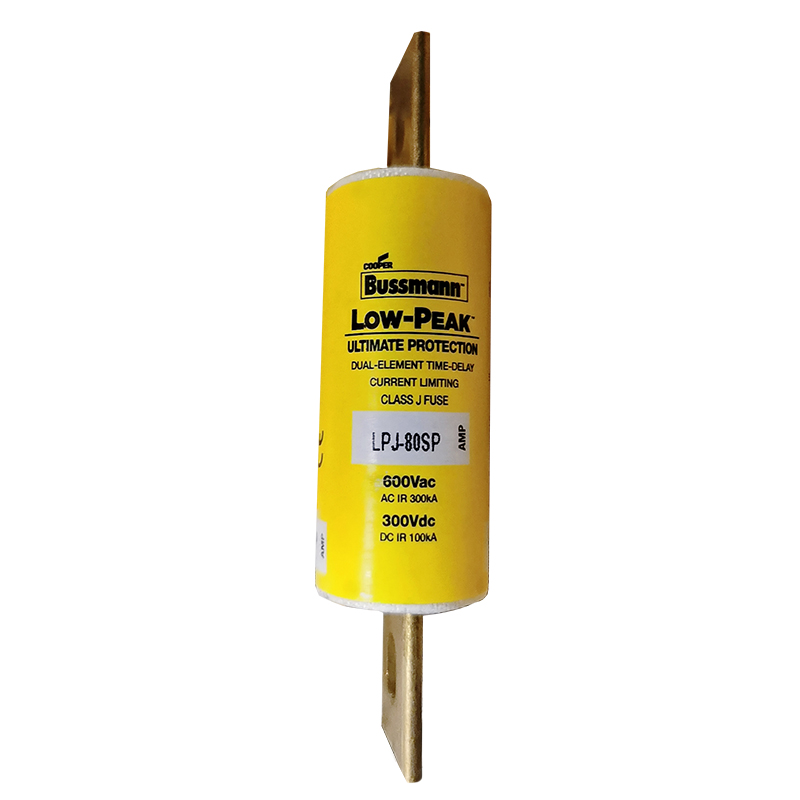
The LPJ-80SP Class J Time Delay Bussmann Fuse rated at 80A, 600Vac, 300Vdc comes packed with special characteristics that work particularly well in supercapacitor setups. What sets it apart is its dual element time delay design which gives exceptional protection while still letting engineers configure things differently depending on their needs across various installations. This component boasts an impressive interrupting capacity of 300kA, making sure whatever system incorporates it stays safe and lasts longer even when faced with those occasional power spikes that happen during startup or shutdown cycles in industrial environments.
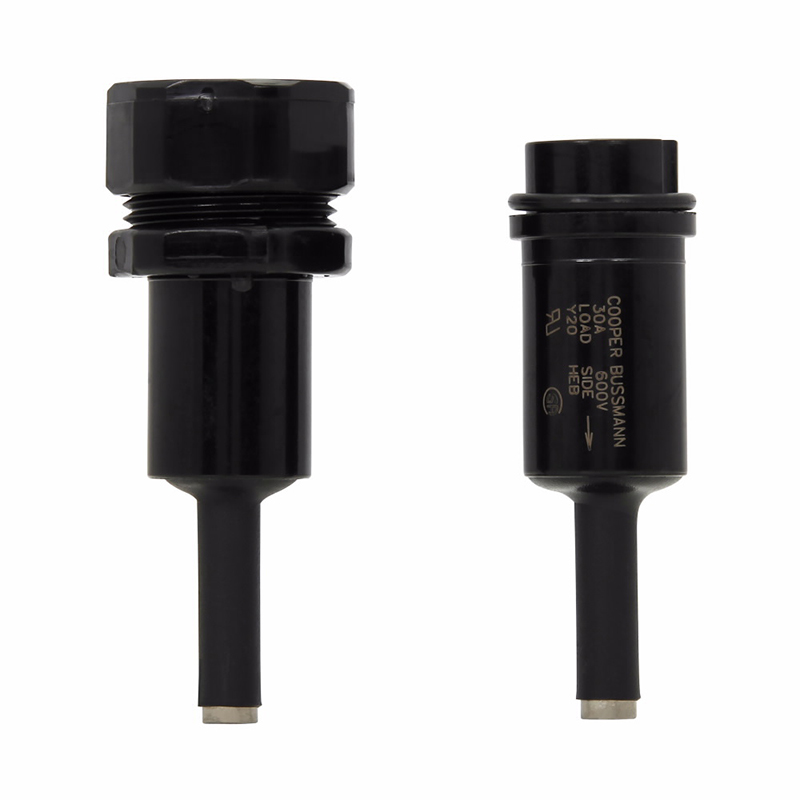
The 30A 600V BK-HEB-AA Bussmann Fuse Holder is essential for keeping things safe when working with high voltage systems. This holder fits standard 10 by 38 mm fuses and offers solid protection thanks to its submersible design. That makes it great for environments where equipment might get wet or exposed to harsh conditions. Industrial facilities especially appreciate these features since they need reliable components that won't fail under stress. With different terminal choices available and meeting several important safety regulations, this fuse holder shows up all over manufacturing plants, power stations, and other locations where electrical safety matters most. Companies looking at their electrical infrastructure know that having the right fuse holders can mean the difference between smooth operations and costly downtime.
The latest developments in supercapacitor tech mainly revolve around new materials and better designs. Scientists have been looking at stuff like graphene along with various other cutting edge substances that might boost both the energy storage capacity and how long these devices last before wearing out. If they can pull this off, it would help overcome problems we're facing right now with supercaps not holding enough power relative to their size and costing way too much for what they deliver. Getting past those hurdles could actually put supercapacitors in a position where they stand toe to toe against regular batteries in terms of performance while still maintaining their fast charging advantages.
New developments in this area stand to change how many sectors handle their energy needs. Take supercapacitors for instance they're making waves in clean energy circles because they offer storage options that last longer and work better than what we've had before. This matters a lot for solar farms and wind turbines since storing their intermittent power has always been tricky. Car manufacturers are also keeping a close eye on these advances. Electric vehicles today still struggle with long charging periods and limited range between charges. Better supercapacitors could finally address these pain points, letting EVs charge faster while going further on each trip without sacrificing performance or reliability.
2024 © Shanghai King-Tech Electronic Co., Ltd. Privacy policy
 EN
EN


 Hot News