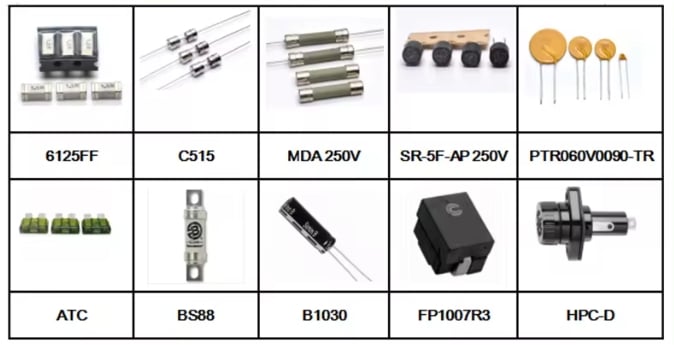
Ceramic fuses act as safety guards for electrical circuits when too much current starts flowing through them. These little components literally melt away when there's an overload, cutting off power before anything gets damaged or causes dangerous situations. Most people don't think about it day to day, but without these ceramic protectors, our appliances, electronics, and even whole buildings would be at risk during power surges or short circuits. They're pretty much unsung heroes working behind the scenes to keep our electrical systems running safely and reliably.
Ceramic fuses have a pretty solid build, combining strength with good efficiency. At the heart of each fuse sits a ceramic casing that contains a wire element usually crafted from some kind of metal alloy. Inside this ceramic shell there's also something called quartz sand packed in between the parts. Why ceramic? Well, it stands up really well to heat without breaking down, which makes sense given what these devices go through. The sand inside serves another purpose too it actually helps spread out the heat generated during operation and plays a role in putting out electrical arcs when the fuse finally gives way under overload conditions. Most major electrical safety guidelines specifically call out these materials because they just work better than alternatives over time, especially in industrial settings where reliability matters most.
Ceramic fuses work based on how materials react to electrical resistance and heat buildup. Basically, when too much current flows through the fuse beyond its safe limit, the special metal alloy inside gets hot enough to melt. Once this happens, the circuit gets broken and stops conducting electricity. This simple mechanism helps stop potential damage from power surges before they can cause problems. What makes these fuses reliable is their ability to act fast when there's an abnormal current spike, protecting everything connected from getting fried by electrical issues.
Ceramic fuses stand out because they handle really high temperatures better than most alternatives. While many other fuse varieties would melt down under intense heat, ceramic ones keep working even when things get extremely hot. That's why engineers often choose them for equipment exposed to serious heat challenges. These fuses last longer too since they don't break down in hot environments, cutting down on problems caused by overheating components. Industrial facilities especially appreciate this quality as it means fewer unexpected shutdowns during peak operating periods.
Ceramic fuses stand out because they last longer and handle wear and tear better than many alternatives. Made to withstand all sorts of rough treatment, these little devices can take hits from things like constant vibrations, accidental bumps, even damp environments without breaking down. Their tough nature means they keep working properly when faced with tough situations, something that matters a lot for keeping electrical systems safe and running smoothly without unexpected failures.
Ceramic fuses are really good at suppressing arcs. This matters because electrical arcing poses serious risks like starting fires or damaging nearby parts. Ceramic fuses have this special design with ceramic materials and sand inside that actually works to get rid of heat and put out sparks whenever the fuse gives way. When these things happen, it makes the whole electrical system much safer and keeps everything running reliably over time. Most electricians know that ceramic fuses just work better in these situations compared to other types on the market today.
Ceramic fuses tend to last much longer than standard fuses, which makes them worth considering when setting up electrical systems. Tests have shown these ceramic models can handle multiple surges and stress points without breaking down over time. Regular fuses on the other hand might blow out after just a few incidents, requiring constant swapping and maintenance. The ceramic versions hold up better because of their material properties, maintaining consistent performance even under heavy usage conditions. While the initial cost might be higher, most electricians find they save money eventually since there's less downtime and replacement work needed throughout the system's life cycle.
Ceramic fuses offer serious safety advantages too, cutting down on fire risks and other electrical dangers. When things get too hot in an electrical system, these fuses kick in to stop problems before they start. That's why many modern installations rely on them so much. The way they work is pretty straightforward actually. During power surges or when there's a short circuit somewhere, ceramic fuses cut off the electricity flow without causing sparks or explosions. This simple but effective mechanism helps protect not just expensive equipment but also people who might otherwise be exposed to dangerous conditions if something goes wrong with wiring or appliances.
Ceramic fuses work really well in all sorts of places because they can handle so many different situations. People install these in homes for basic circuit protection, while businesses rely on them for their office equipment and lighting systems. Industrial facilities love them too since they stand up to harsh environments without failing. The reason ceramic fuses are so popular is simple: they last longer than regular glass fuses and don't blow as easily during power surges. What sets ceramic apart specifically? Well, the material itself is tougher and maintains its integrity even when exposed to extreme temperatures or vibrations common in manufacturing plants. For anyone dealing with electrical systems day in and day out, switching to ceramic means fewer replacements and safer operations overall.
Ceramic fuses play a vital role across many industrial fields, especially where manufacturing takes place alongside big machines. These components handle pretty harsh conditions, surviving both intense heat and physical strain better than most alternatives. Take the automotive sector as just one case study. Here, ceramic fuses protect the wiring systems inside those massive trucks and construction equipment. Without them, short circuits would be far more common during long hauls or tough jobsites. Mechanics often rely on these fuses because they don't fail under pressure, which means fewer breakdowns and safer operation overall for commercial vehicle fleets.
Ceramic fuses play a key role in keeping home electrical systems safe and dependable. Most people won't see them but they sit right there in those old fuse boxes we all have tucked away somewhere in the house. These little guys protect against things like overloaded circuits or dangerous short circuits that could cause problems. What makes ceramic fuses stand out is how tough they are and their knack for putting out those pesky electrical arcs when something goes wrong. That's why electricians often recommend them as the go-to solution for stopping electrical fires before they start. From the toaster in the kitchen to the oven in the dining room, these fuses work behind the scenes to keep our appliances running smoothly without anyone even noticing.
Ceramic fuses play a really important role in both cars and electronic gadgets today. Cars nowadays have so many computerized parts that need protection from electrical surges, which is why manufacturers install ceramic fuses throughout the vehicle wiring system. Think about things like anti-lock braking systems or the fancy touchscreen displays in modern dashboards all protected by these little ceramic components. When it comes to consumer electronics too, ceramic fuses act as tiny guardians for delicate circuitry inside smartphones, laptops, and other devices we use daily. What makes ceramic fuses stand out compared to other types is their ability to withstand extreme heat without failing, something that becomes especially noticeable during those hot summer days when car engines run hotter than usual. This reliability factor has made ceramic fuses a standard component across multiple industries where electrical failures just aren't an option.
Testing a ceramic fuse is essential to determine its functionality and prevent electrical hazards. Here's a step-by-step guide on testing a ceramic fuse using a multimeter:
For safety, never test a fuse while the power supply is connected, as this poses a risk of electric shock.
Knowing when to replace a ceramic fuse is as crucial as testing it. Several indicators signal it's time for a replacement:
By promptly identifying and replacing faulty fuses, you ensure the safety and functionality of your electrical systems.
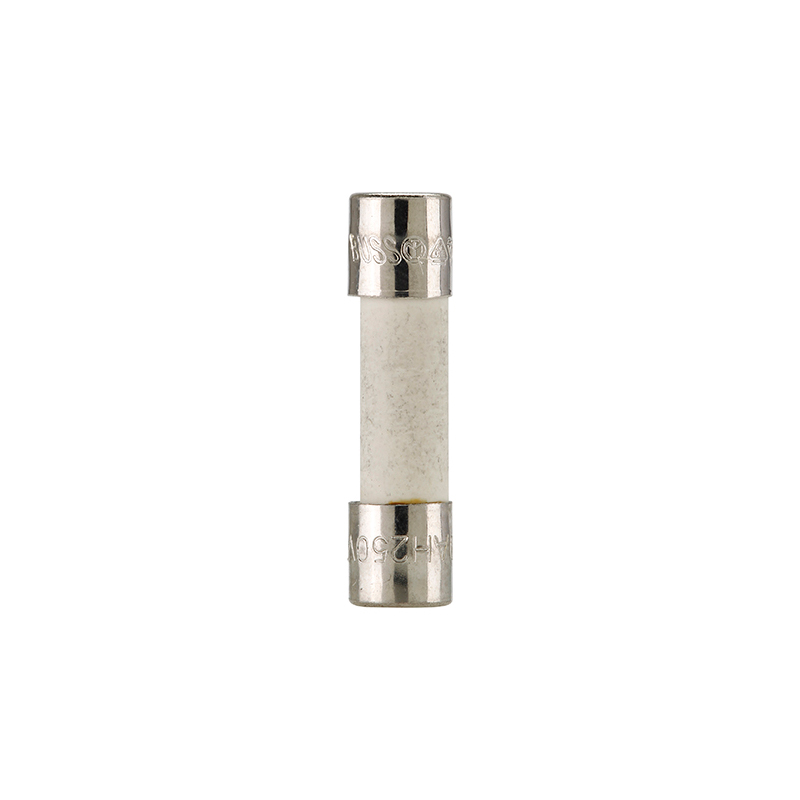
Looking for reliable overcurrent protection? The Bussmann S505 Series ceramic fuse (0.5A to 12A at 250Vac) does the job well in most electronic circuits. These fuses feature time delay characteristics and can handle pretty hefty currents when needed, which makes them great for things like LED lighting systems, household appliances, and various power supply units. Current ratings run from half an amp all the way up to 12 amps, and they meet those important IEC 60127-2 standards while staying RoHS compliant too. Plus, no halogens involved either. Made with durable ceramic tubes, these fuses stand up to wear and tear better than many alternatives, so they're definitely worth considering if safety is a priority in your electronics projects.
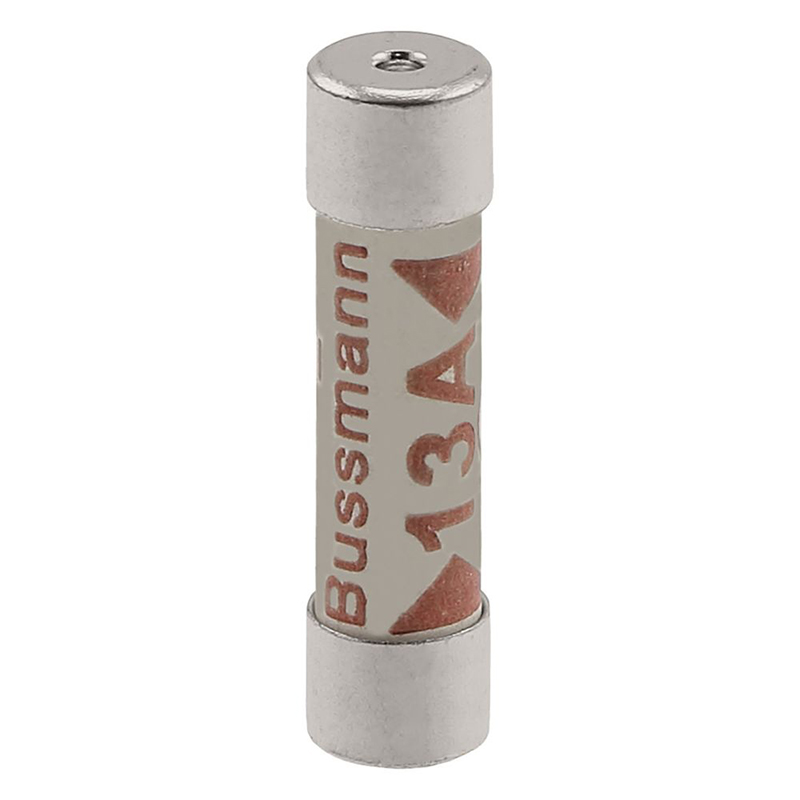
The 13A 240Vac BK1-TDC180-13A ceramic fuse from Bussmann stands out as a reliable choice for home electrical systems. Made specifically for domestic applications, it meets BS1362 standards and fits right into standard BS1363 plug tops without any issues. What really sets this fuse apart is its impressive breaking capacity, which works great for appliances that draw higher currents such as electric kettles, toaster ovens, and powerful hair dryers. Plus, being patent protected means consumers get genuine protection against electrical faults while meeting all the requirements set forth by the Plug and Socket Safety Regulations.
2024 © Shanghai King-Tech Electronic Co., Ltd. Privacy policy
 EN
EN
 Hot News